SCOTT McCRACKEN An About Turn
APT Gallery
9th - 19th April 2026
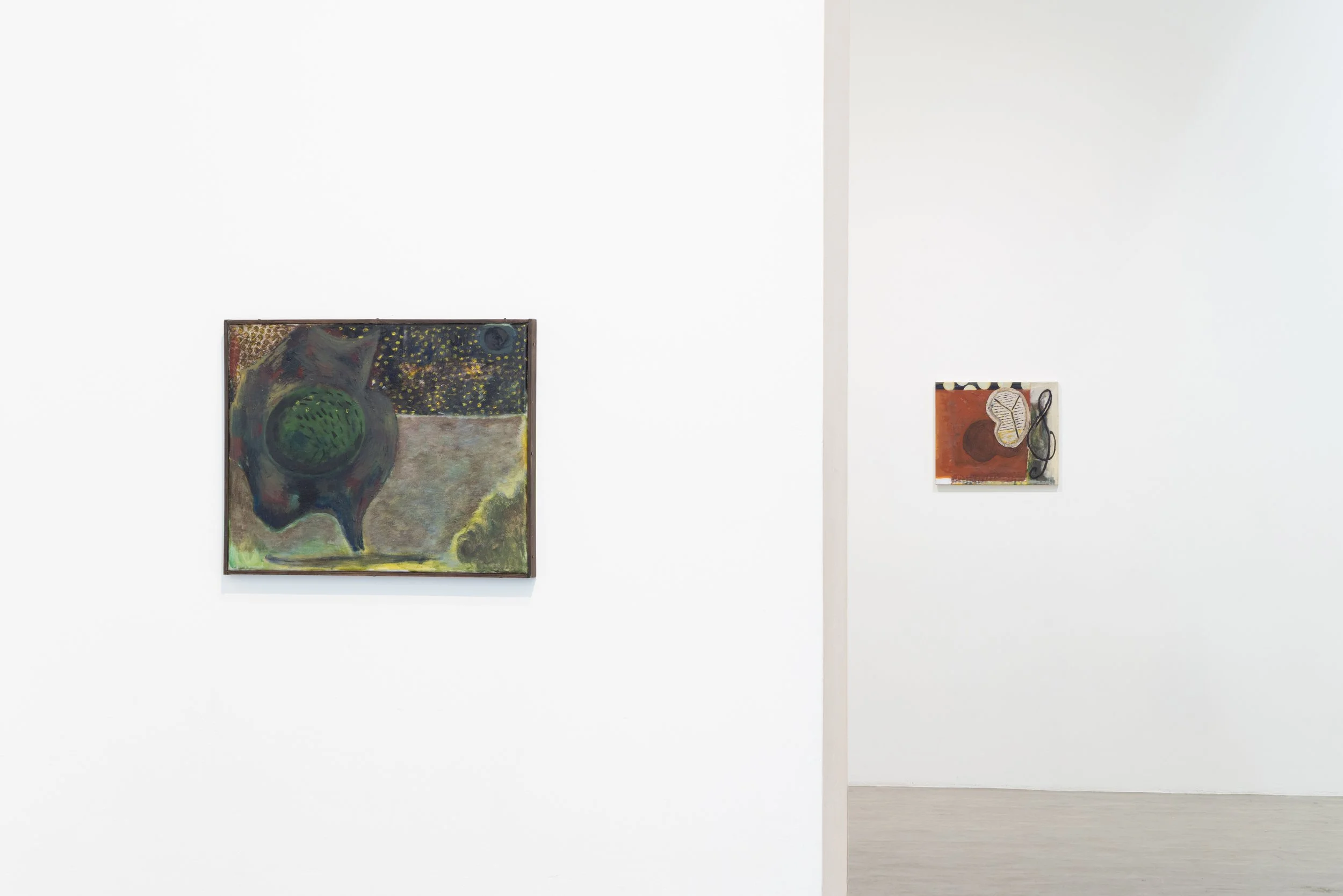
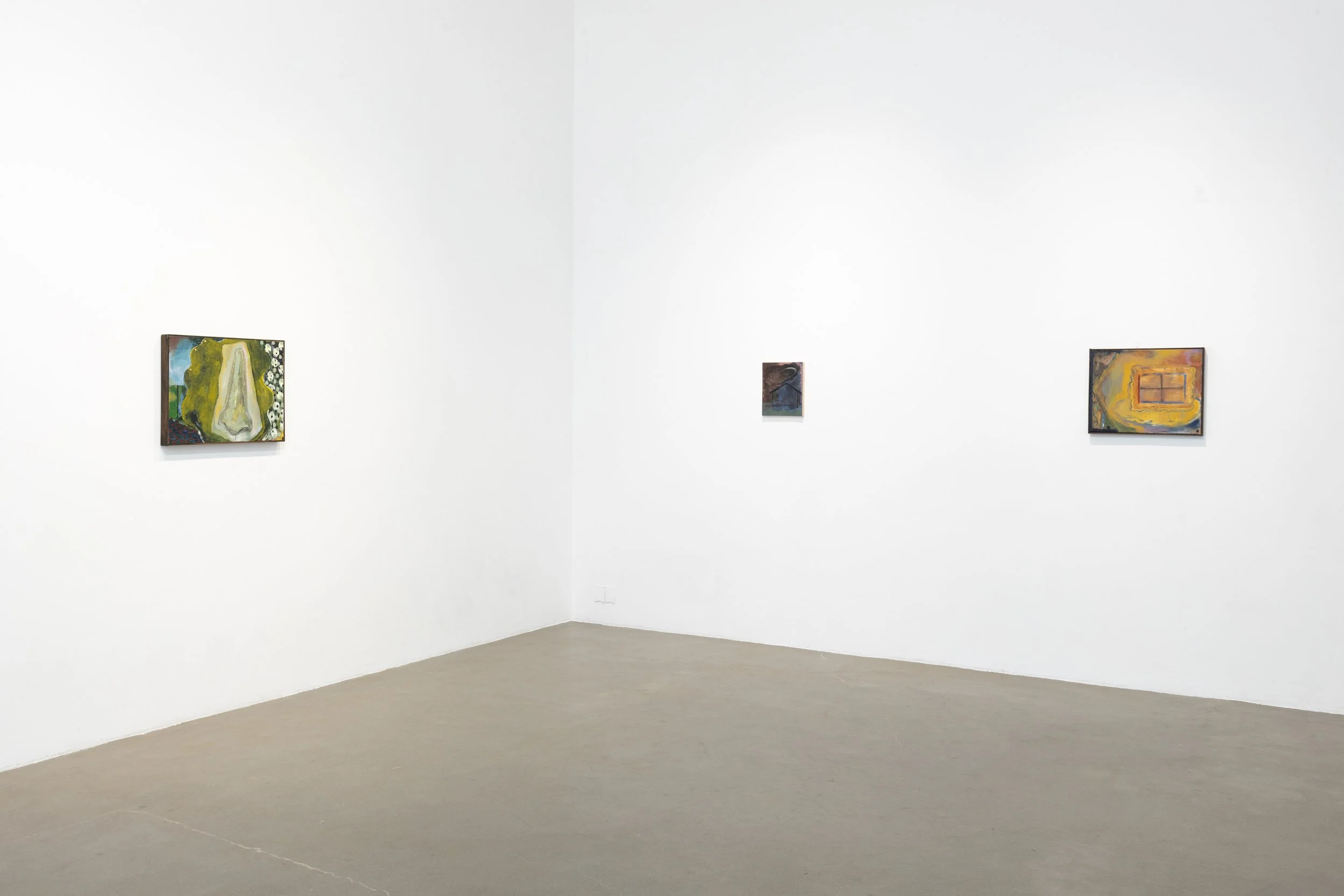
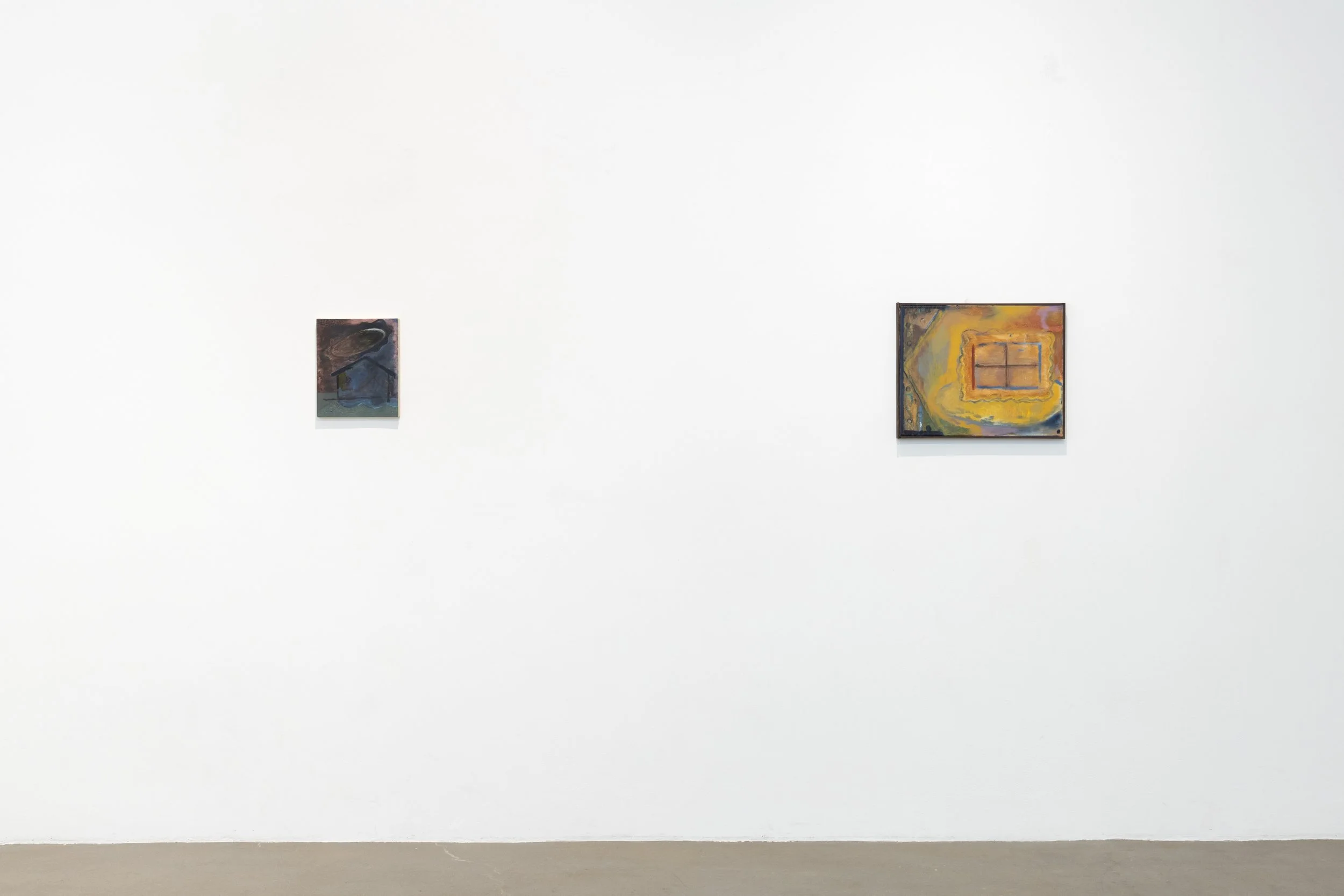
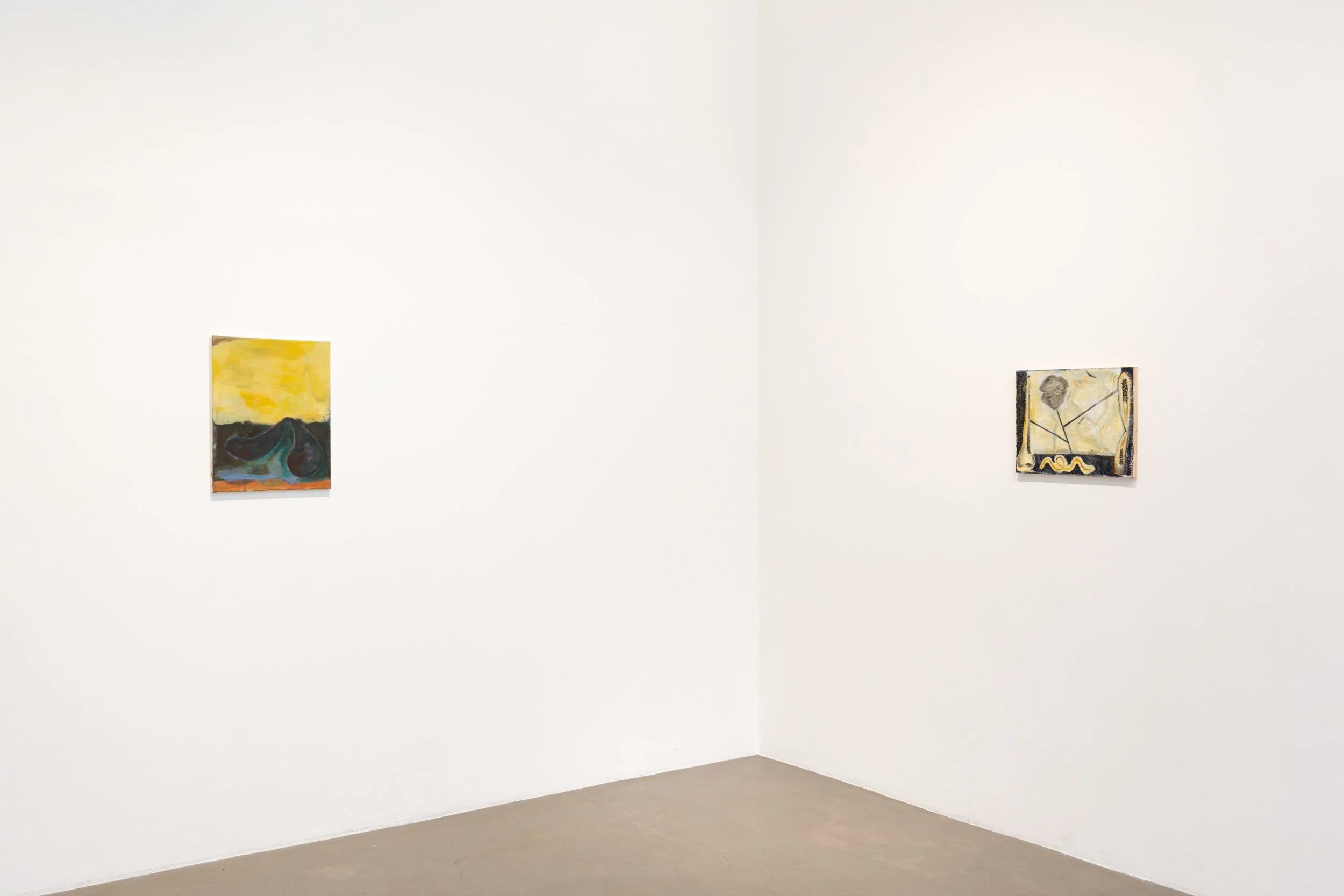
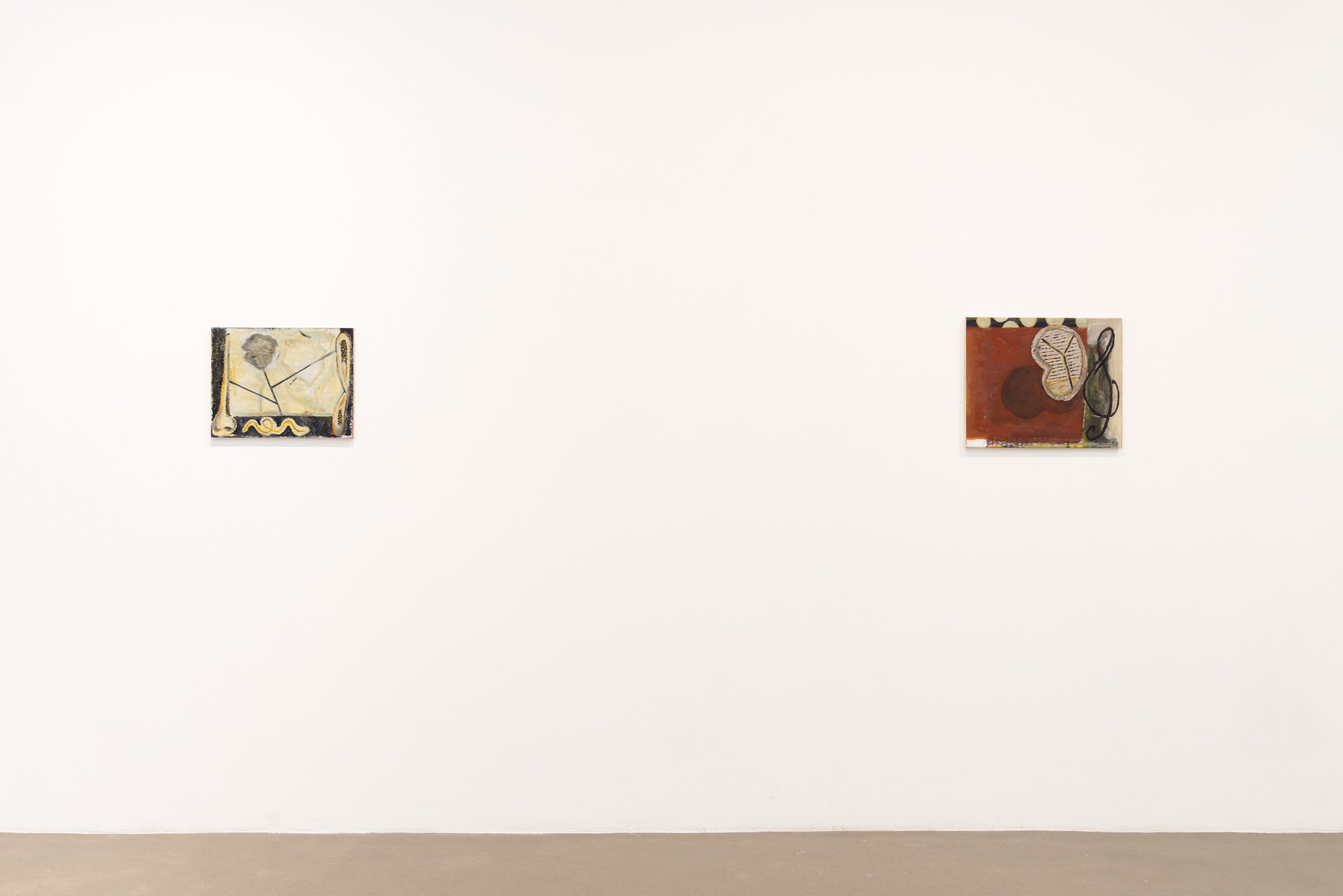
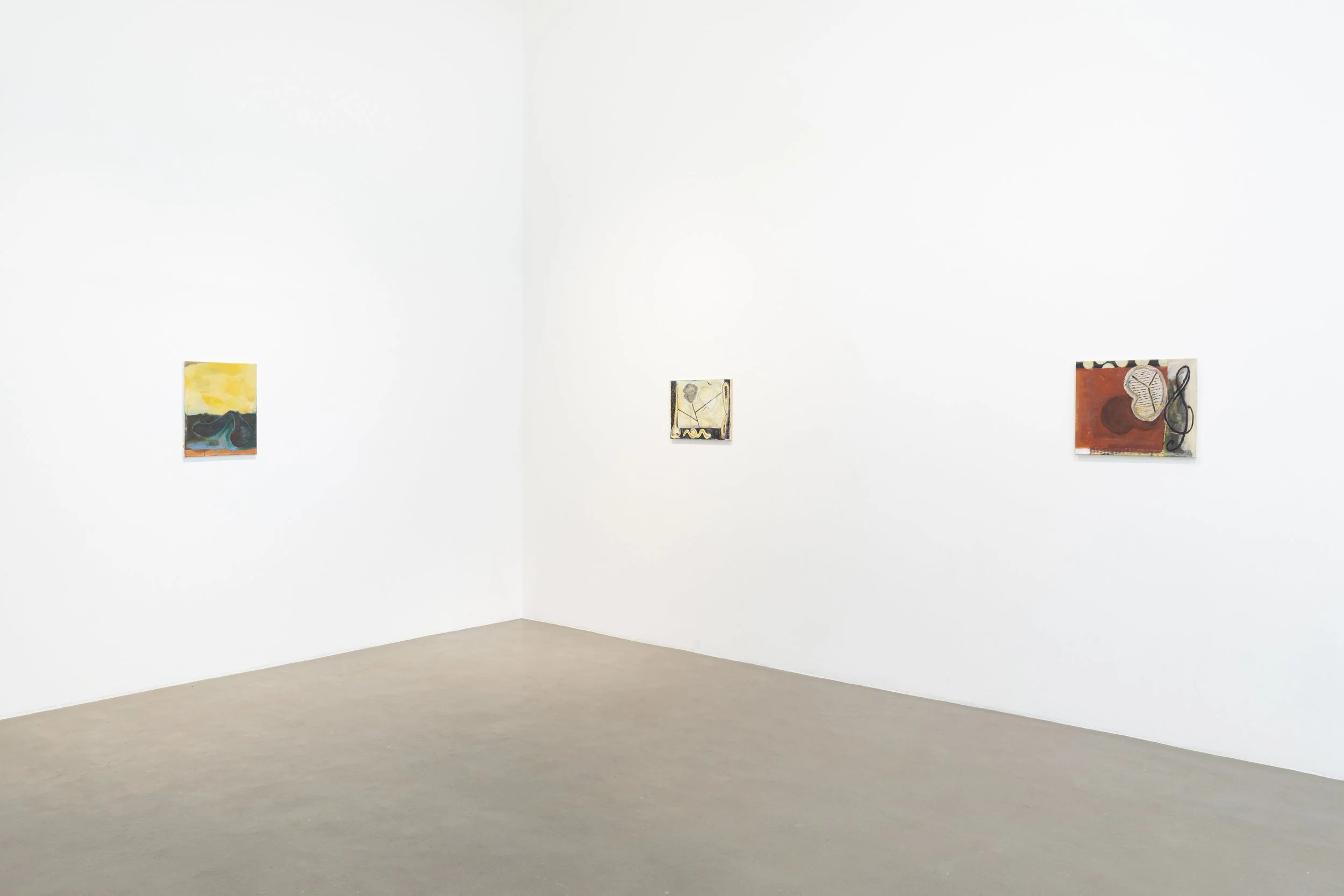
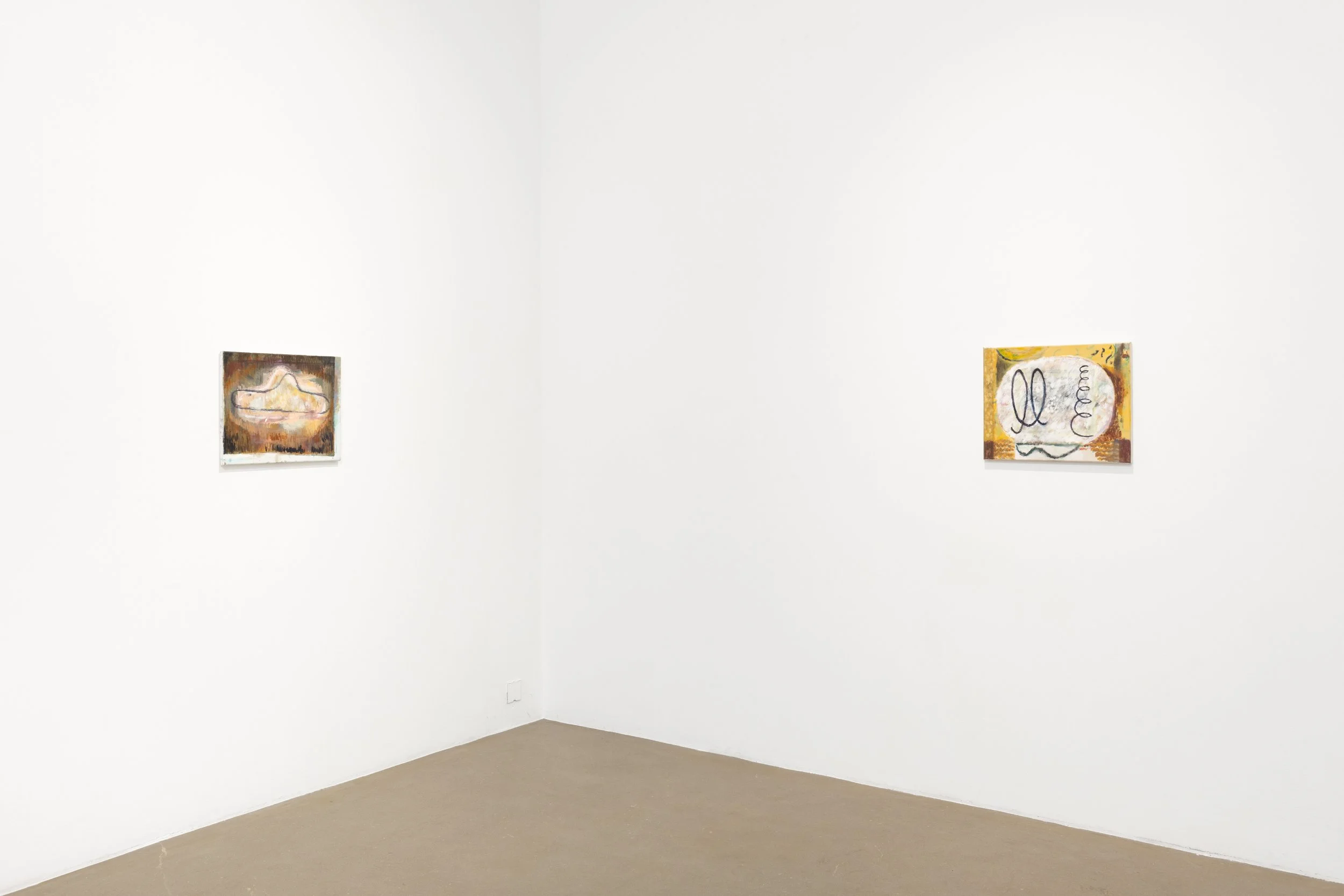
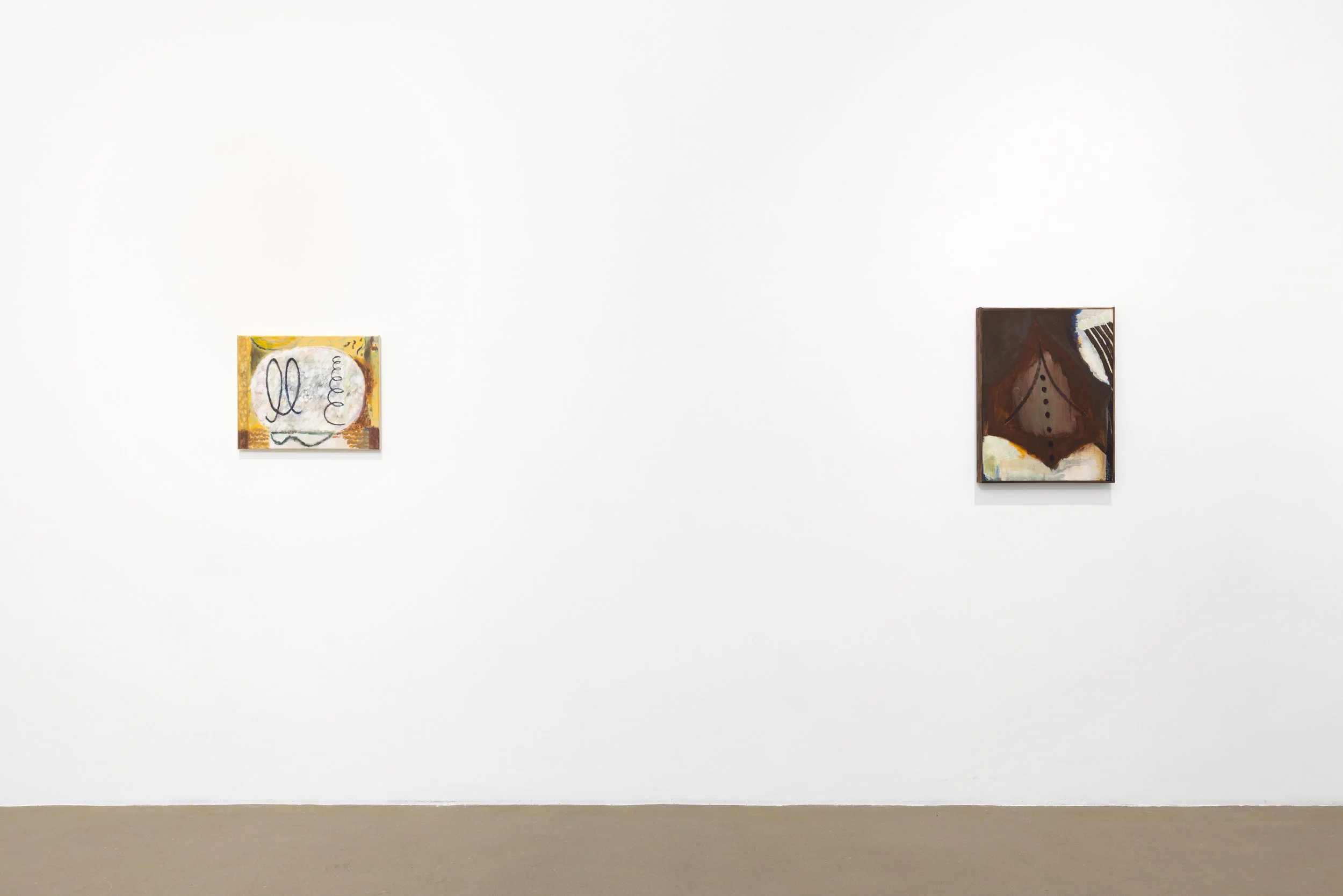
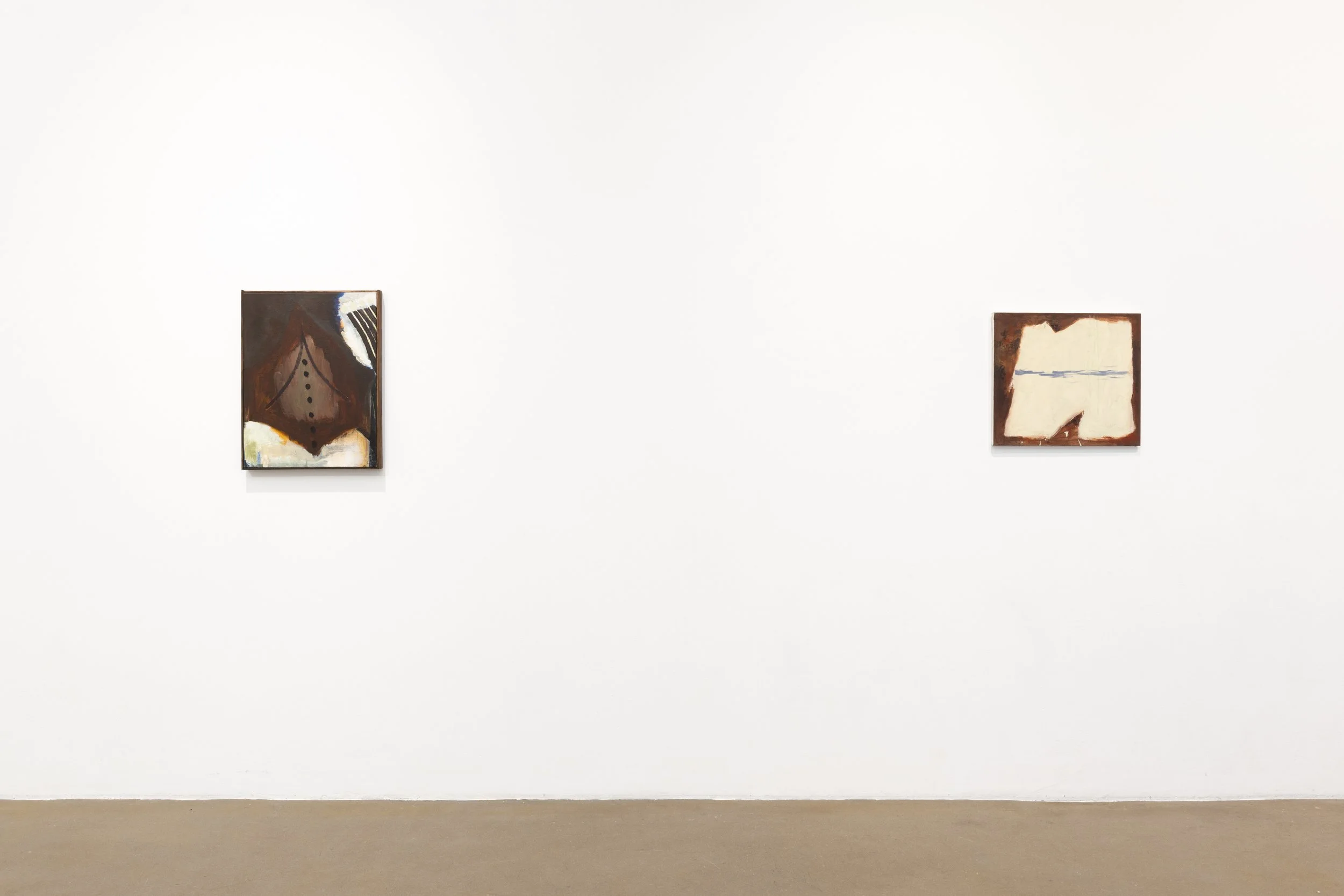
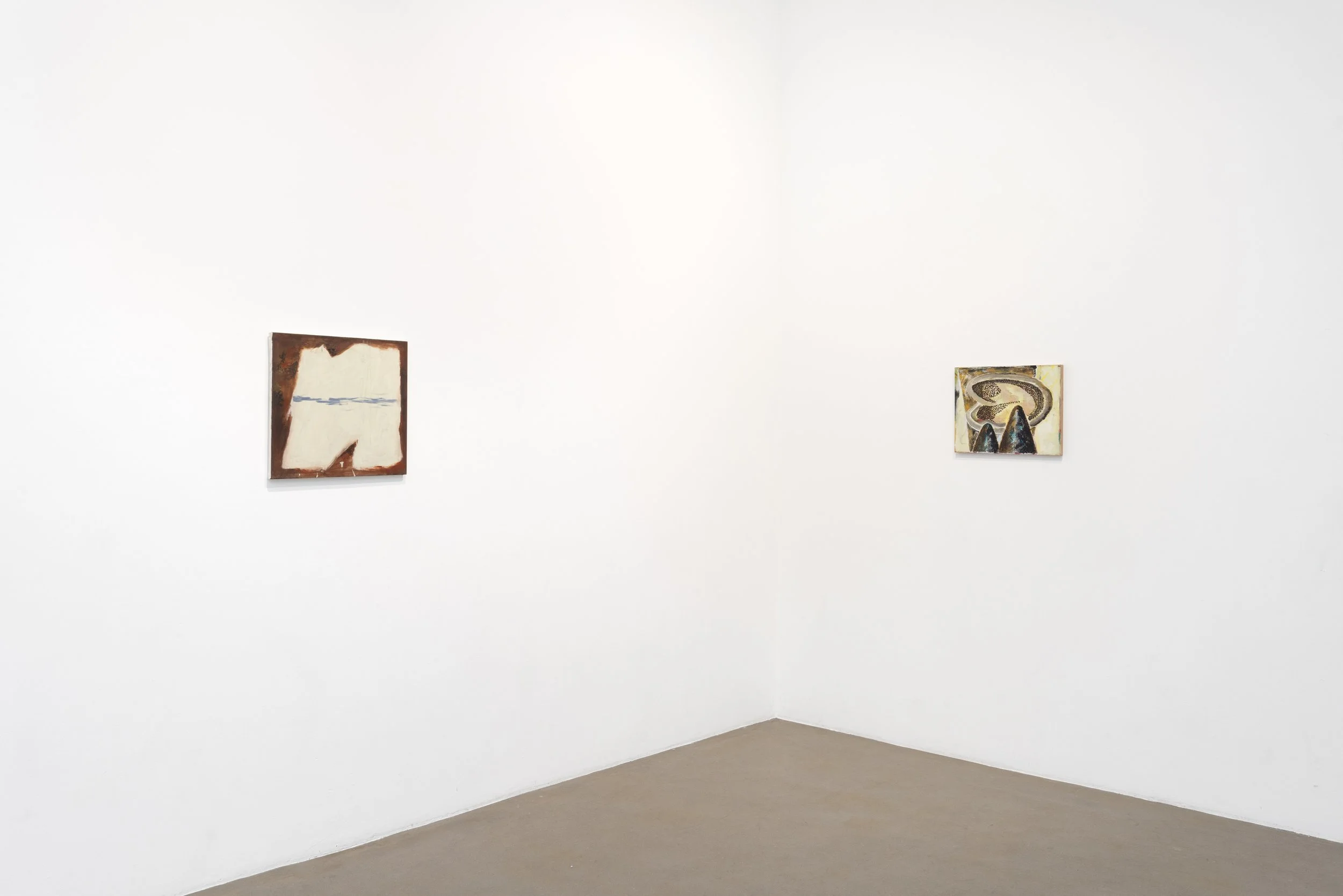
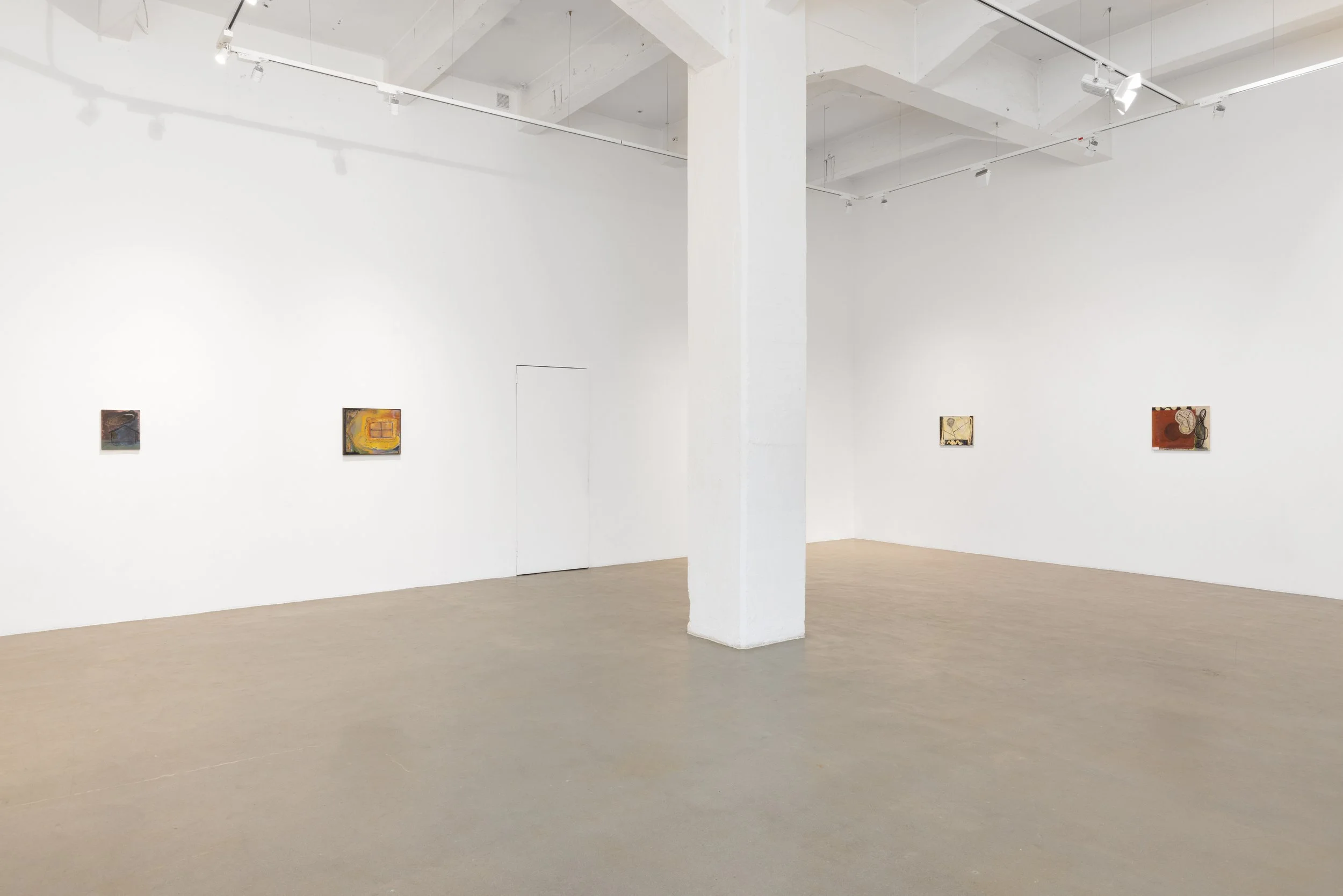
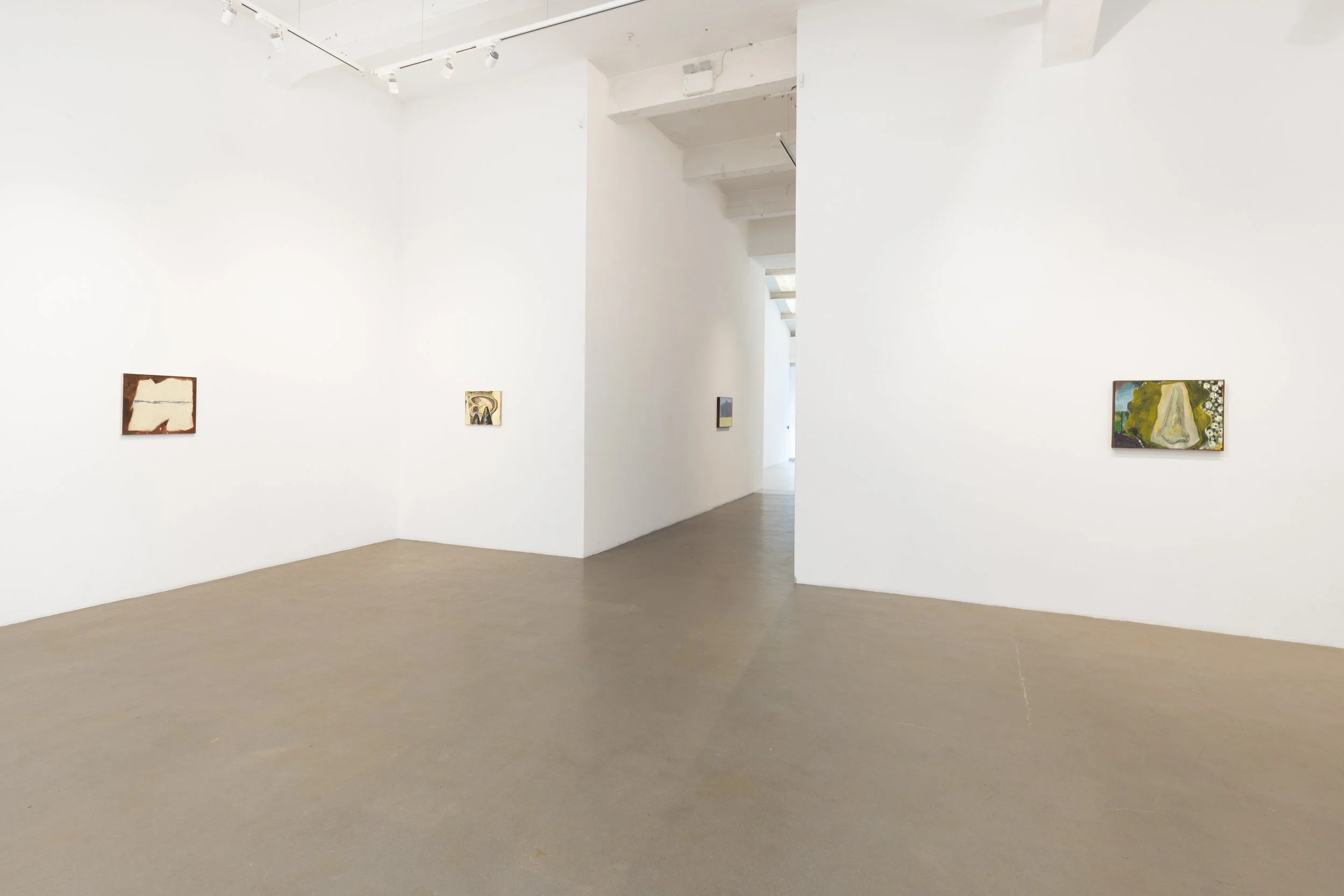
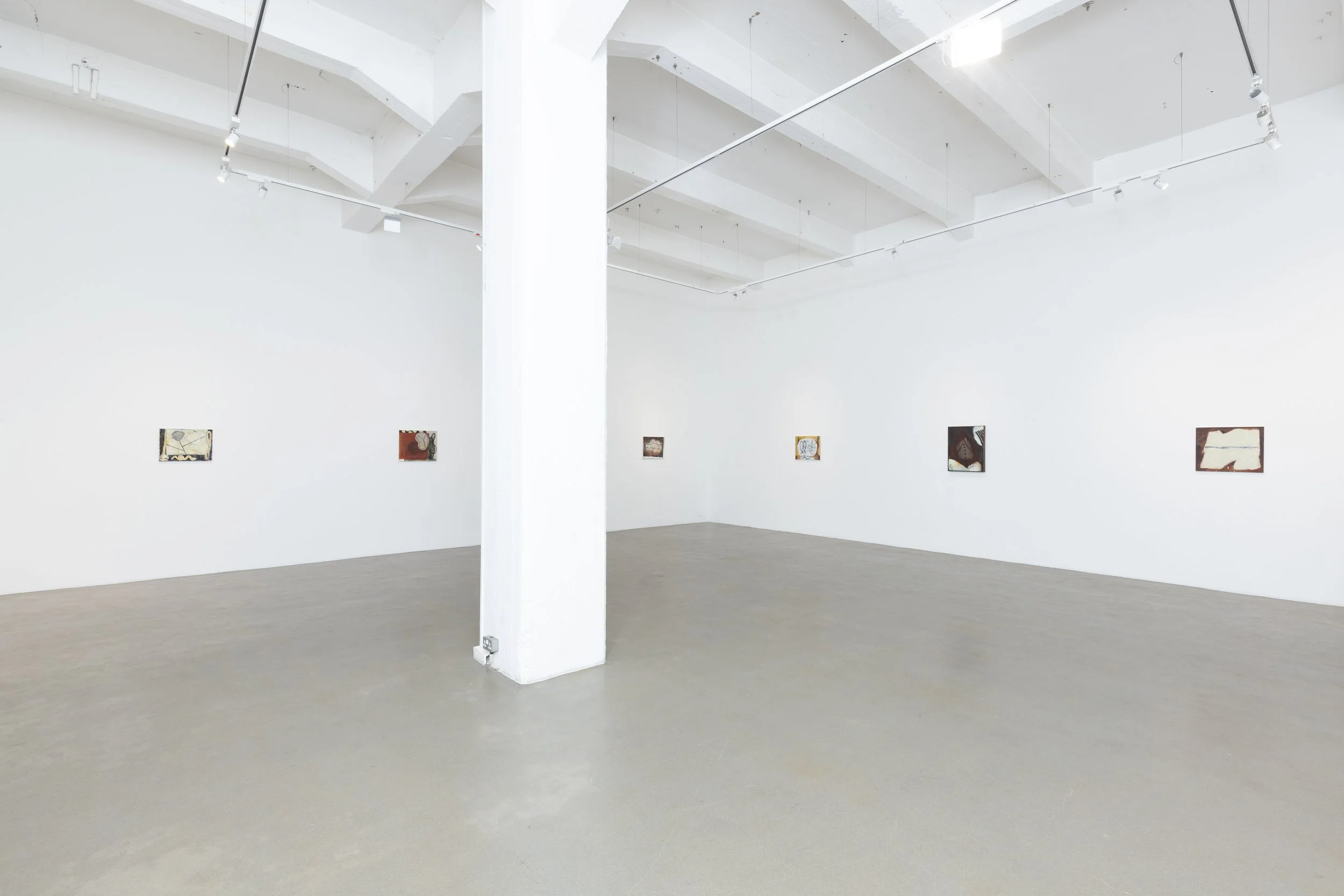
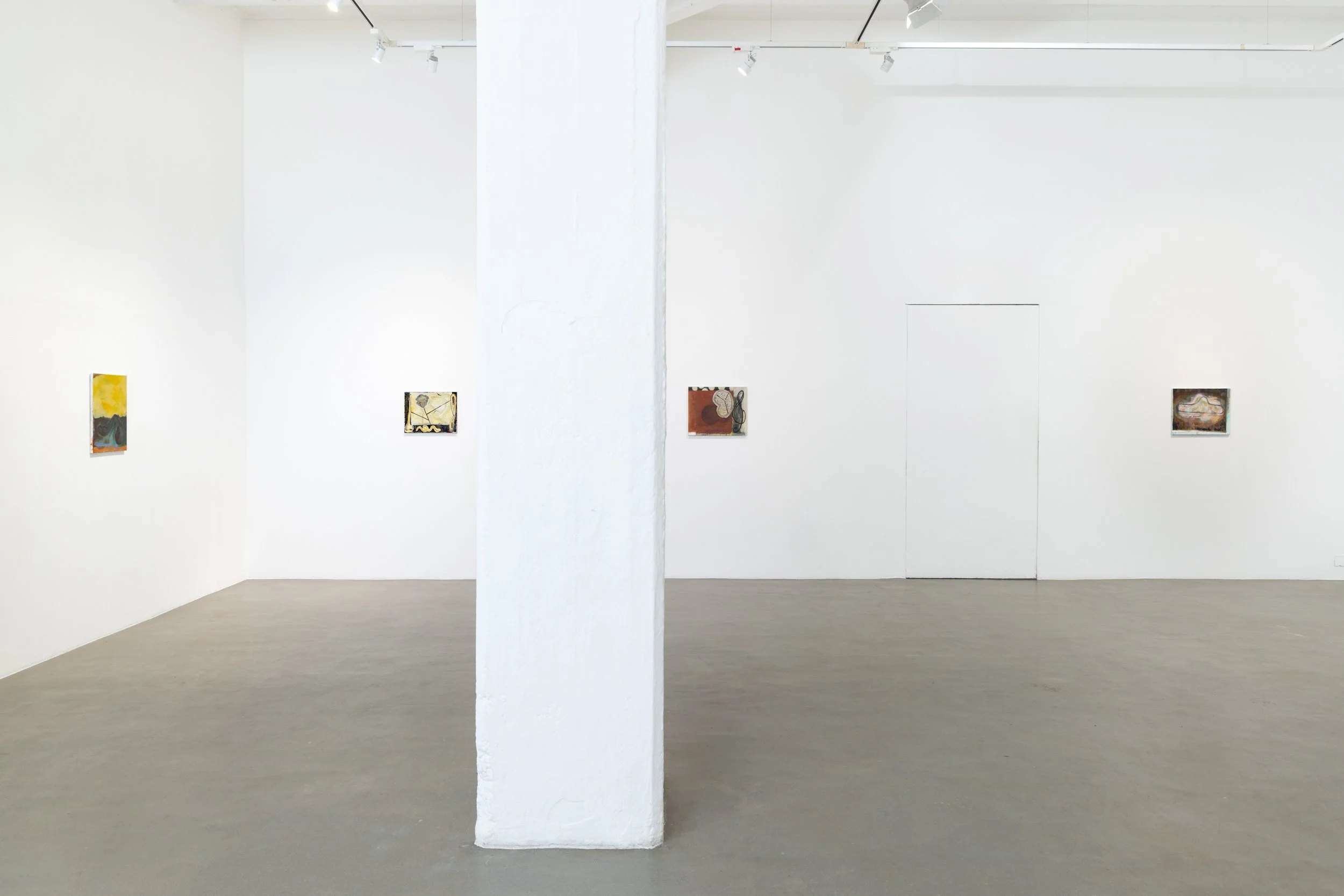
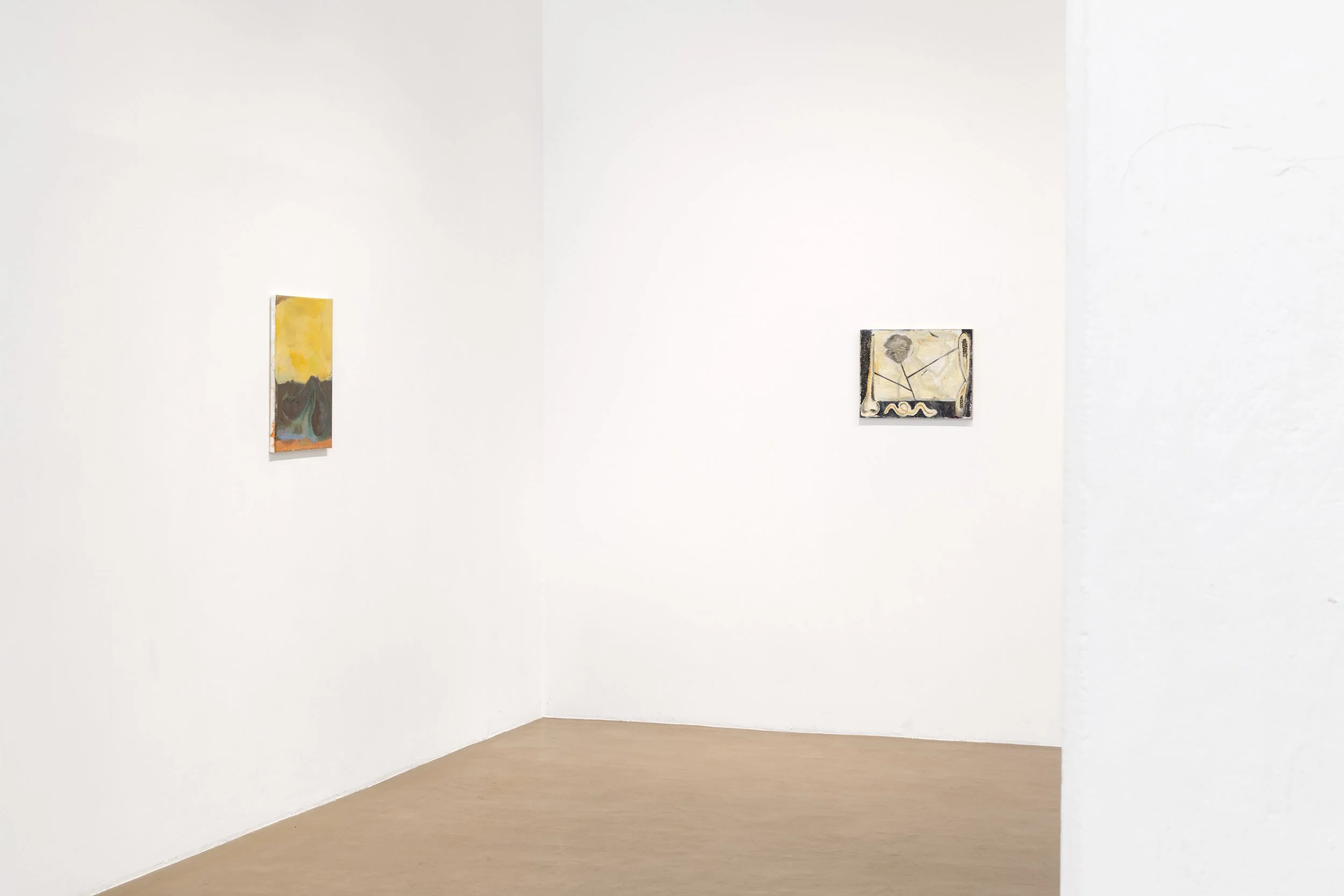
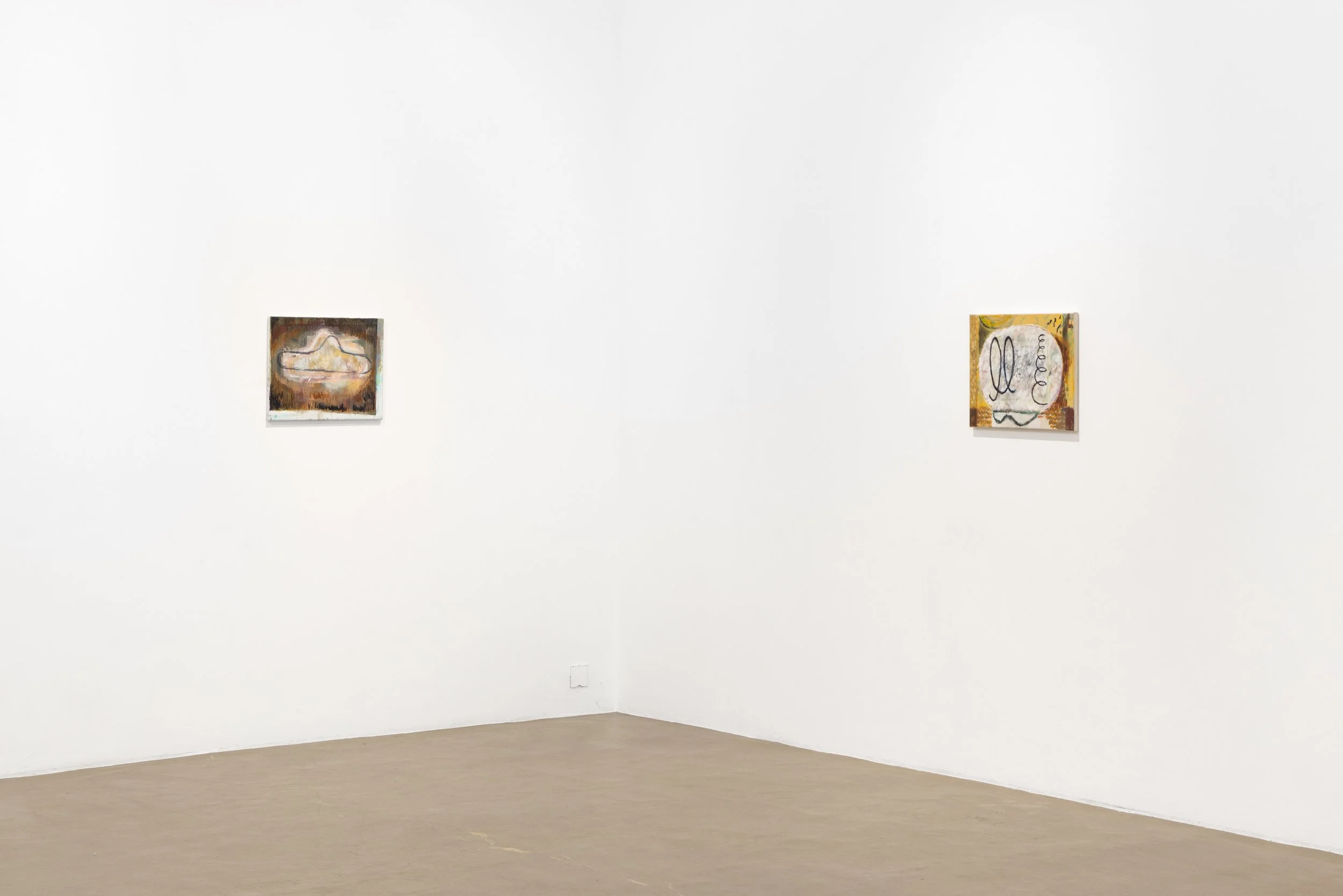
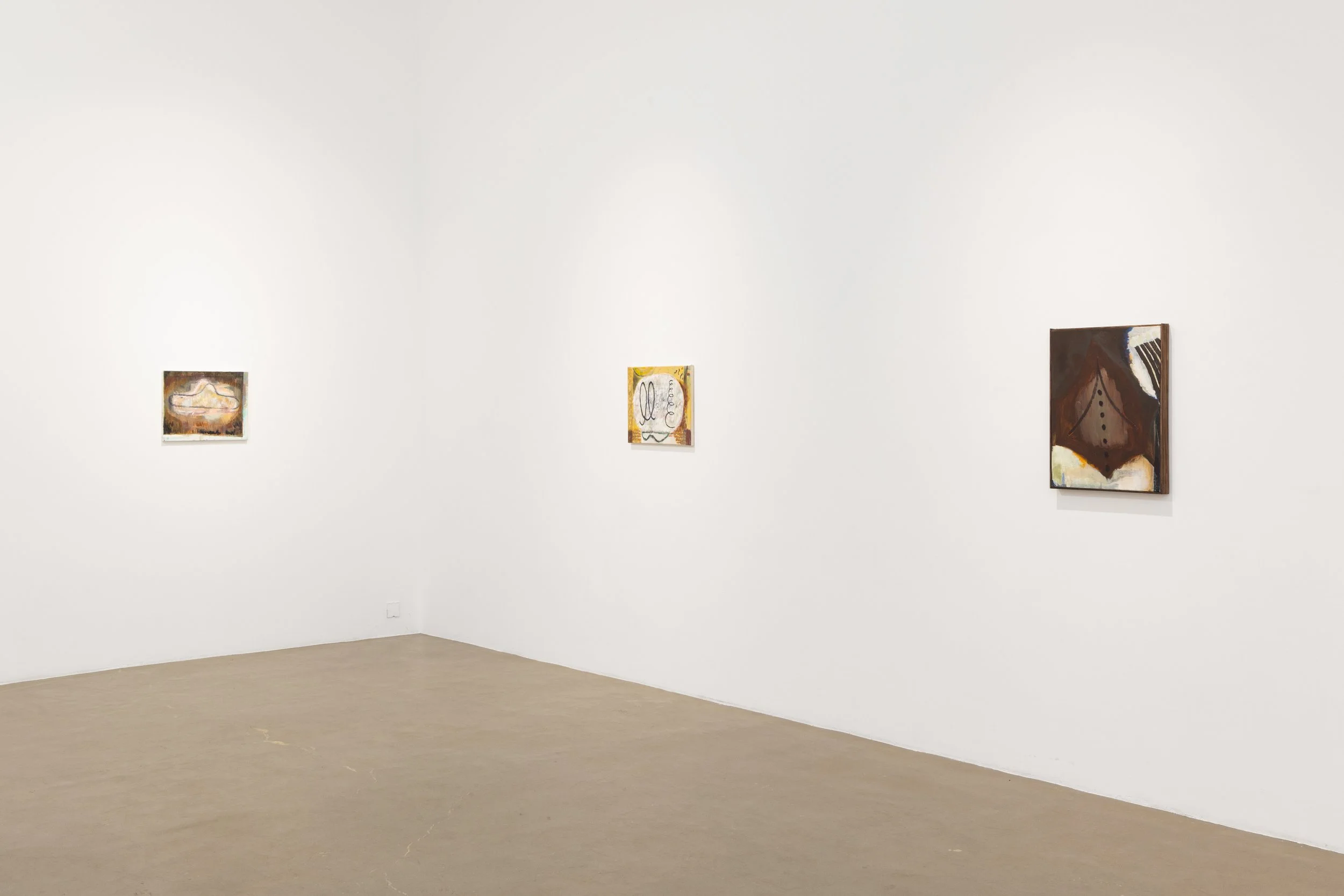
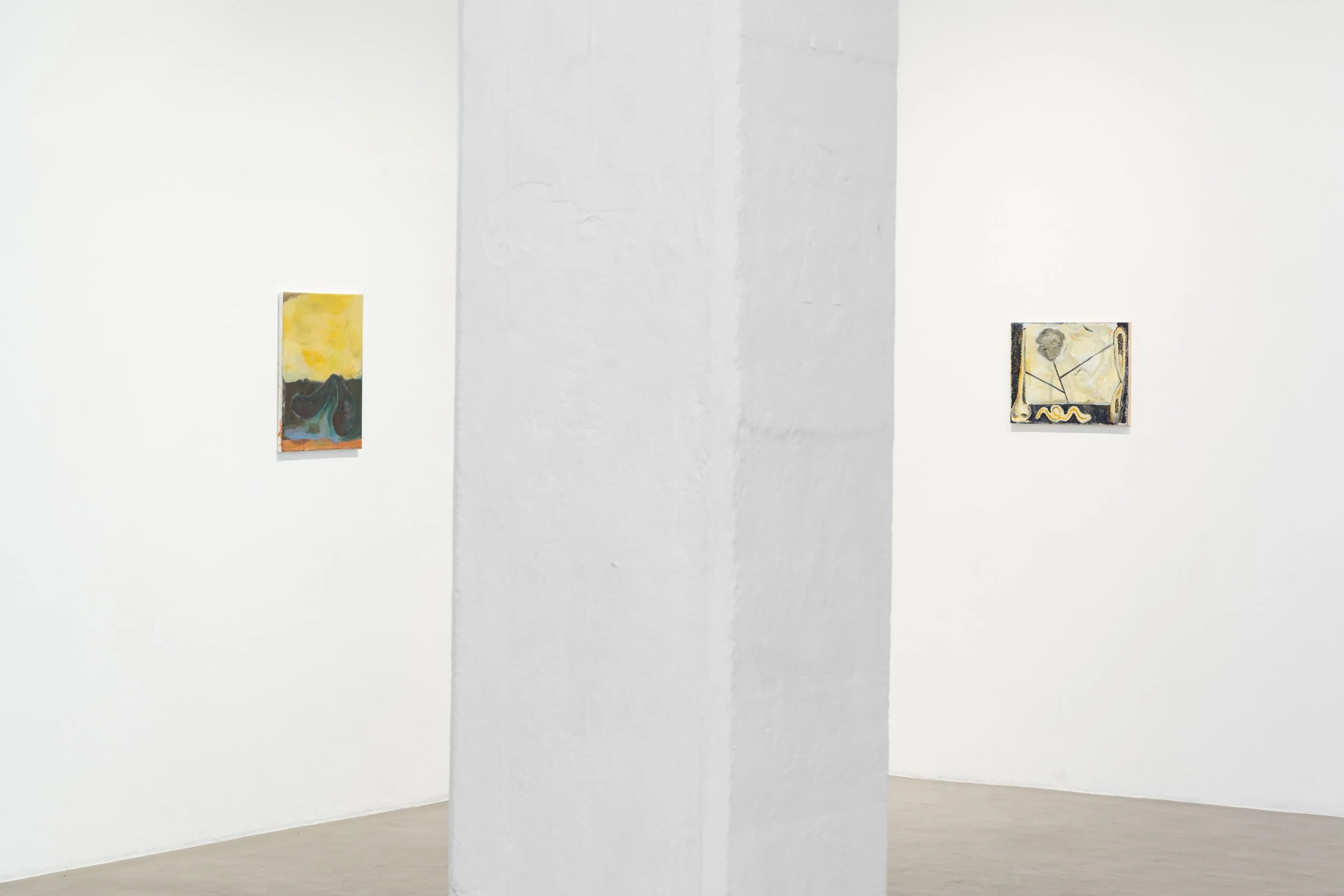
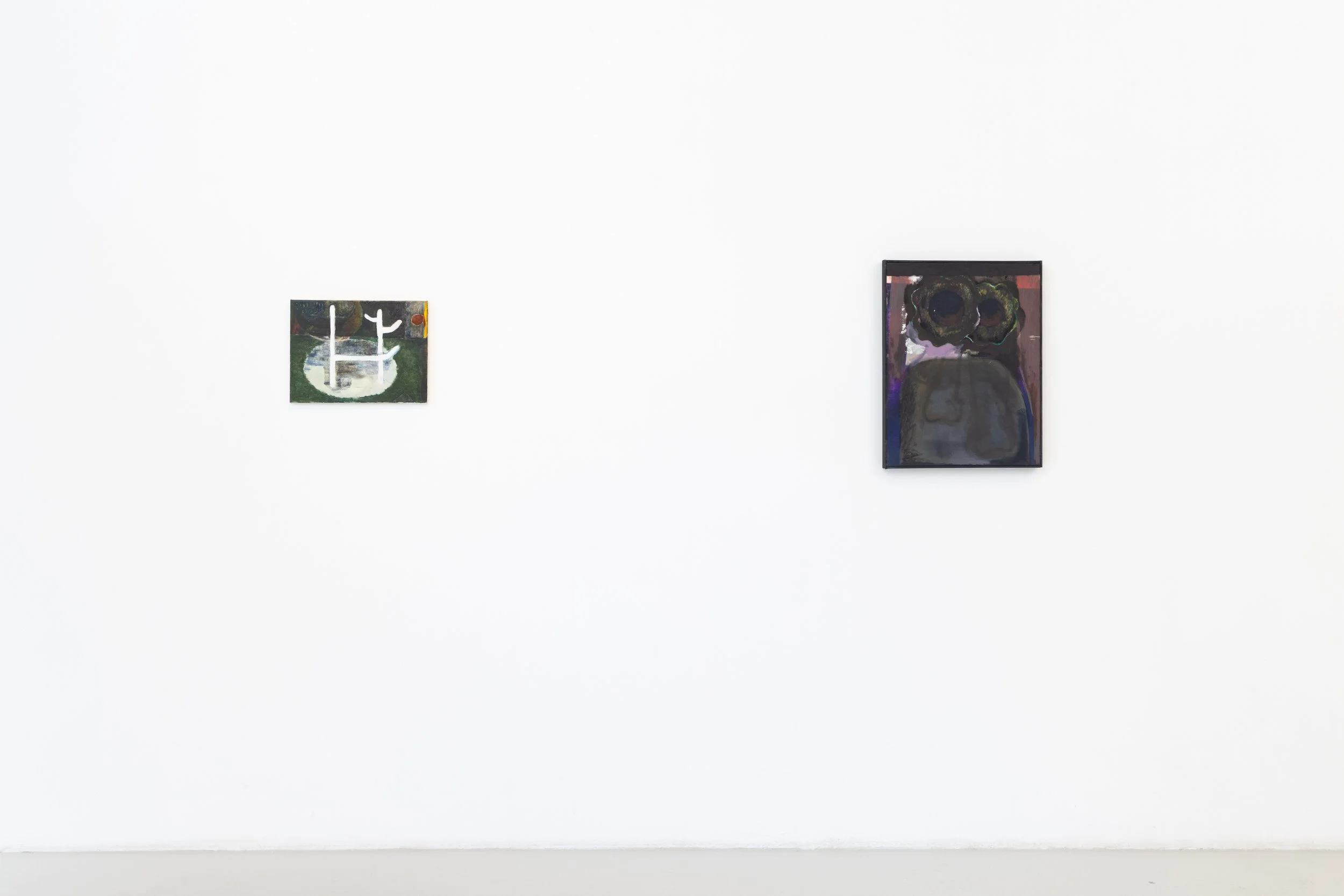
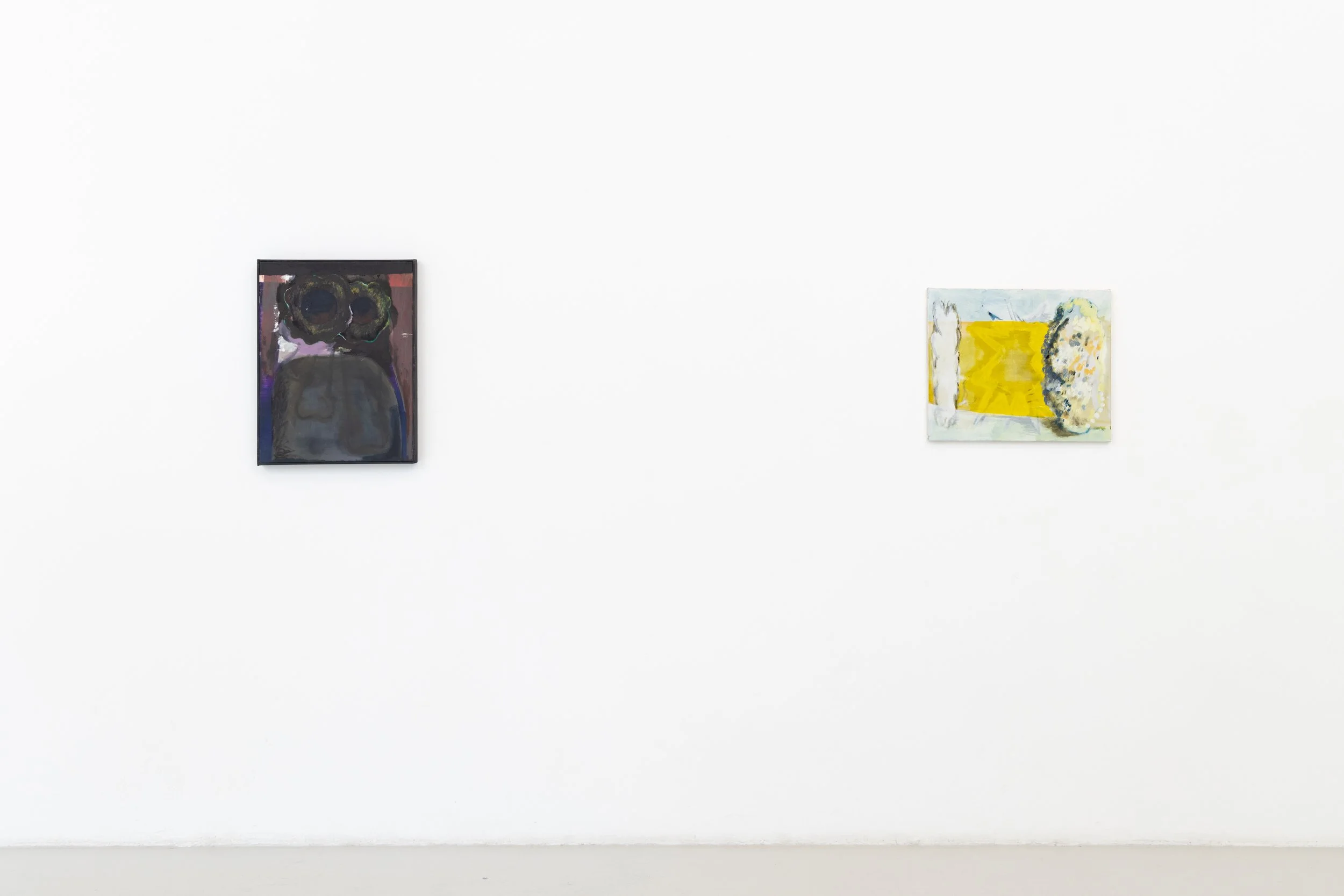
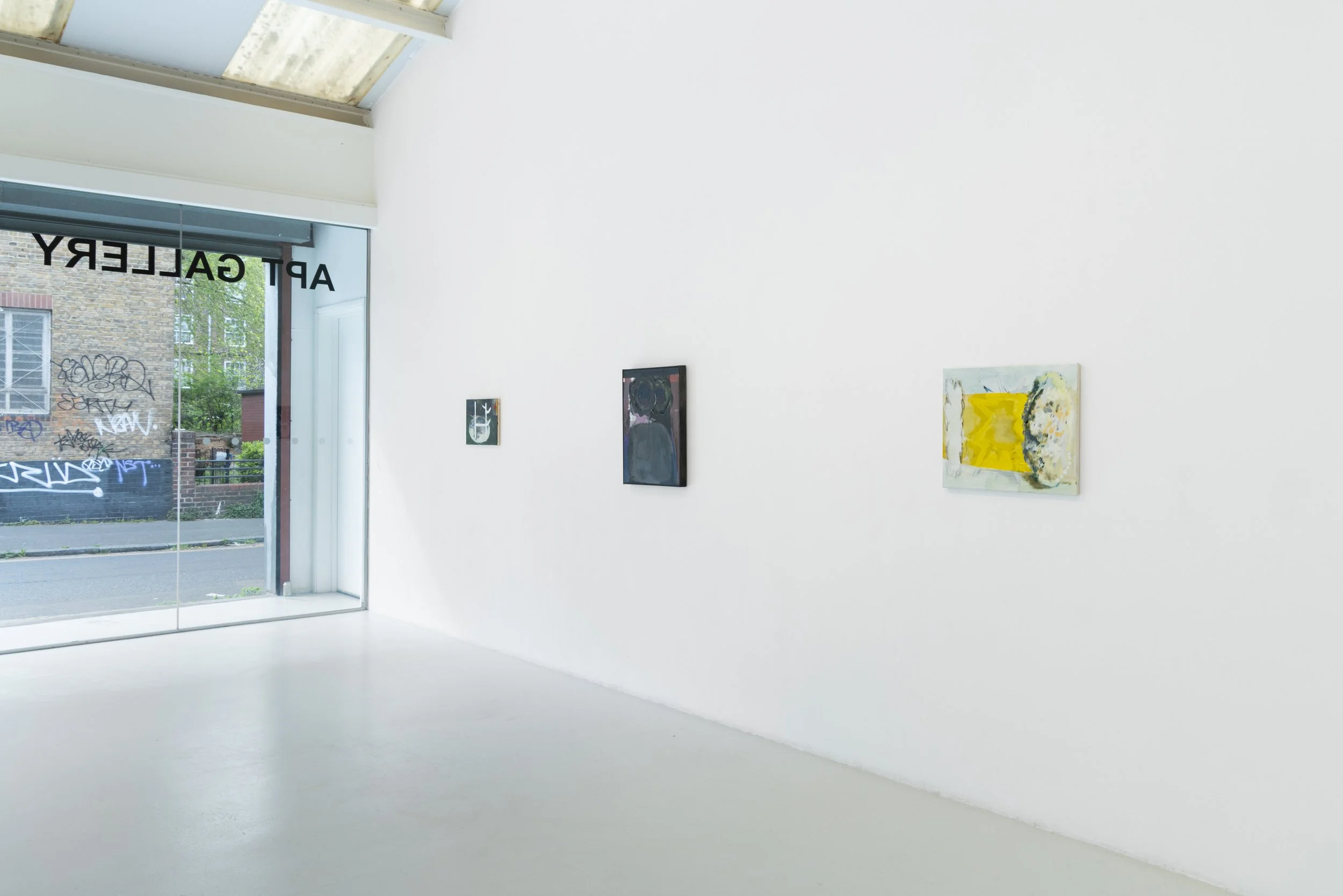
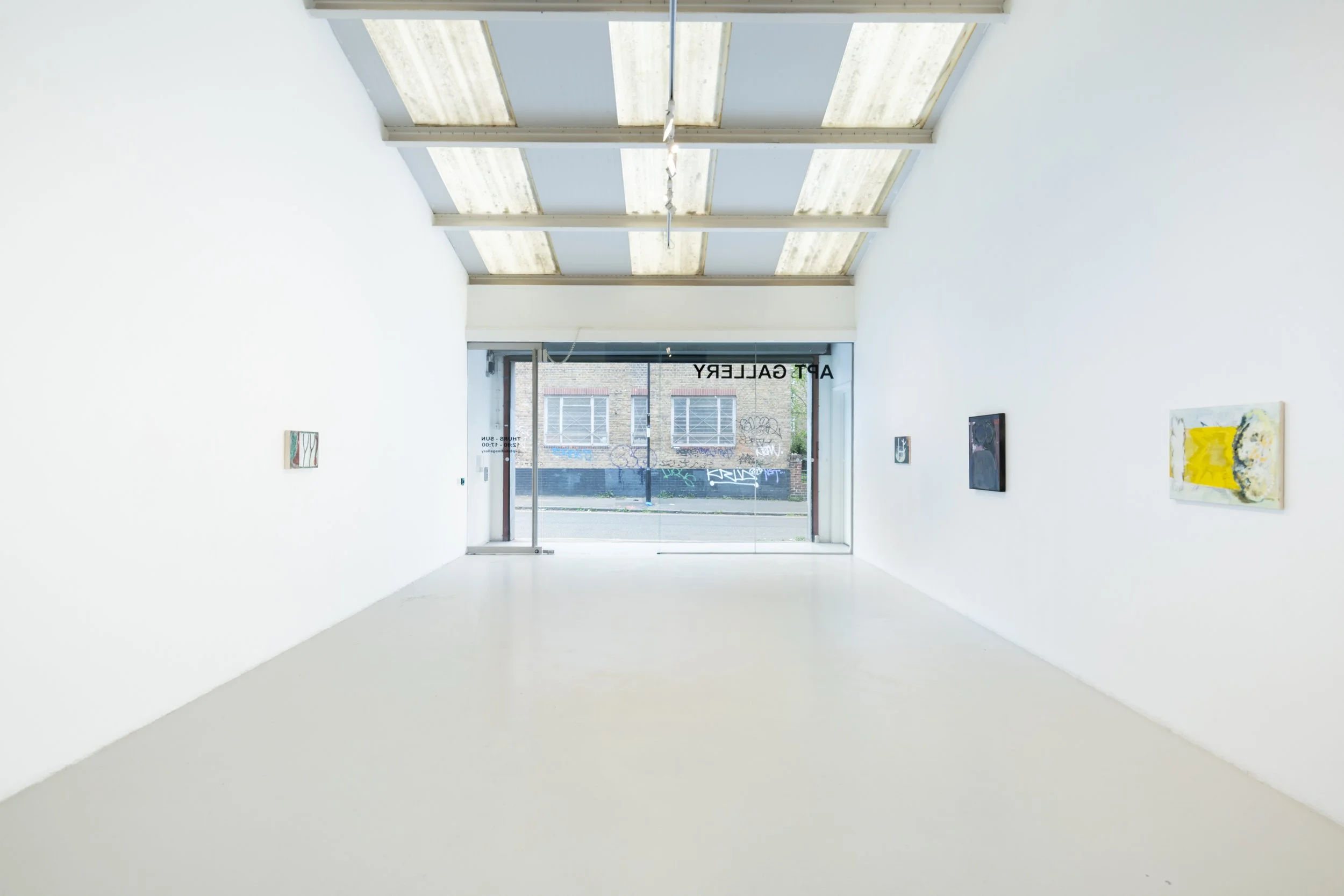
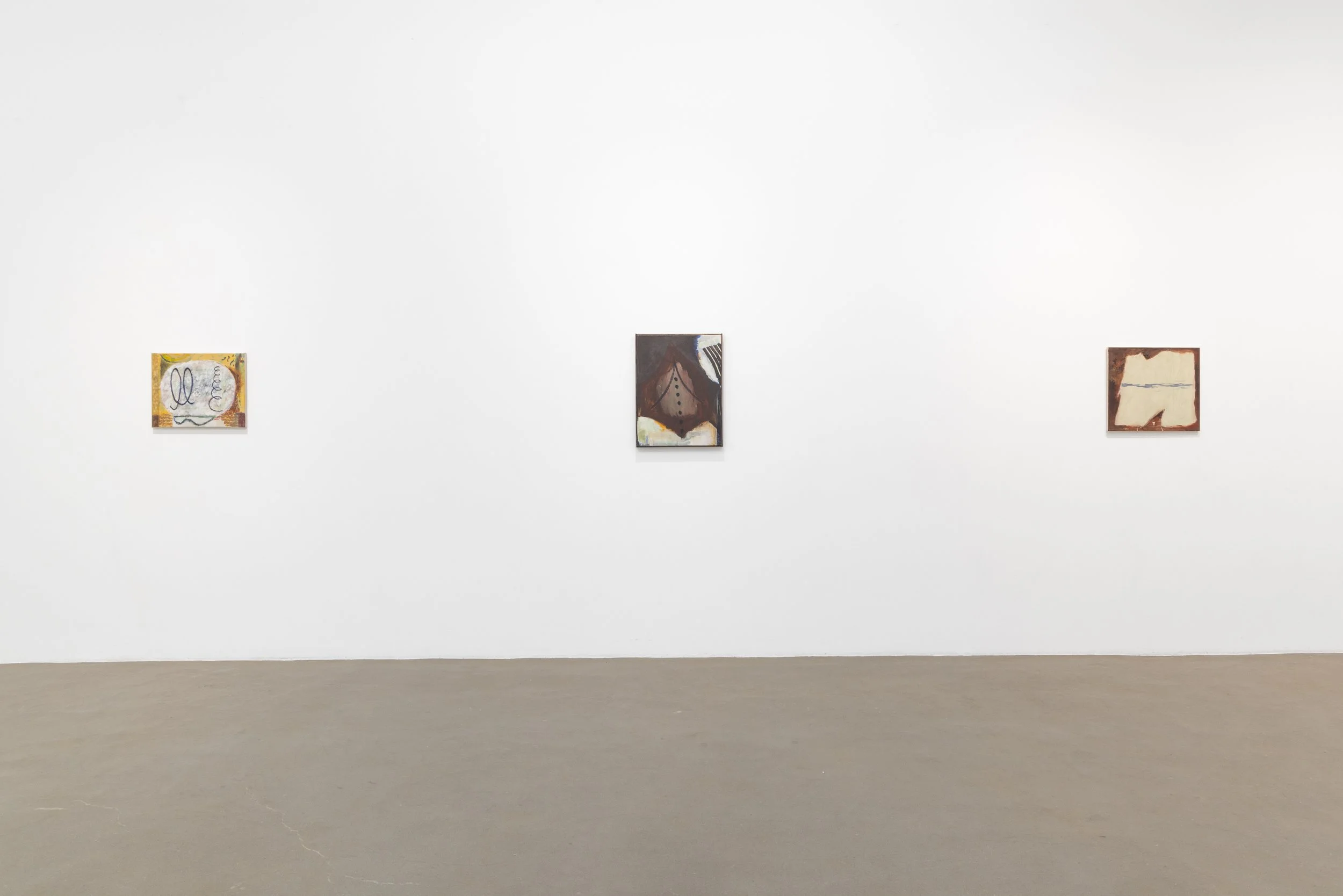
Some productive awkwardnesses*
I am frequently left in discomfort with Scott McCracken’s recent paintings. They are rather like someone at a party hell-bent on telling you a long, humorous story, only to forget the punchline half-way through. The guest will start with great vim and purpose, but peter out into mutterings to the self…then an ellipsis…into silence…You are left smiling, waiting for them to remember the thing that would give their story form, but all you see now is a kind of tender, vacant expression. Later, and with amazement, you notice the same guest starting an entirely different story but with a similar outcome, seemingly unperturbed, as if this was their intention all along. That is all to say, these paintings contain all manner of profoundly productive and self-conscious awkwardnesses. Firstly, the most obvious if most philosophically redundant is that yes, these works play out an acute anxiety about that most monopolistic of dualisms: abstraction and figuration. On the one hand there are figures that seemingly declare their own identity with relative clarity. Noses appear several times and, despite their elongation or reduction, emphatically register as noses. However, other seemingly frank figures are frequently undermined in various ways. A bird is, in fact, a cos-playing circle according to one title; a treble clef is errant and gently meandering. Even a vase of flowers feels exhausted by its own faithfulness to representation, with one stem being overtaken by an extended black tubular form, another ending in a thick linear zigzag shape. These are figures under some kind of wilful, playful duress.
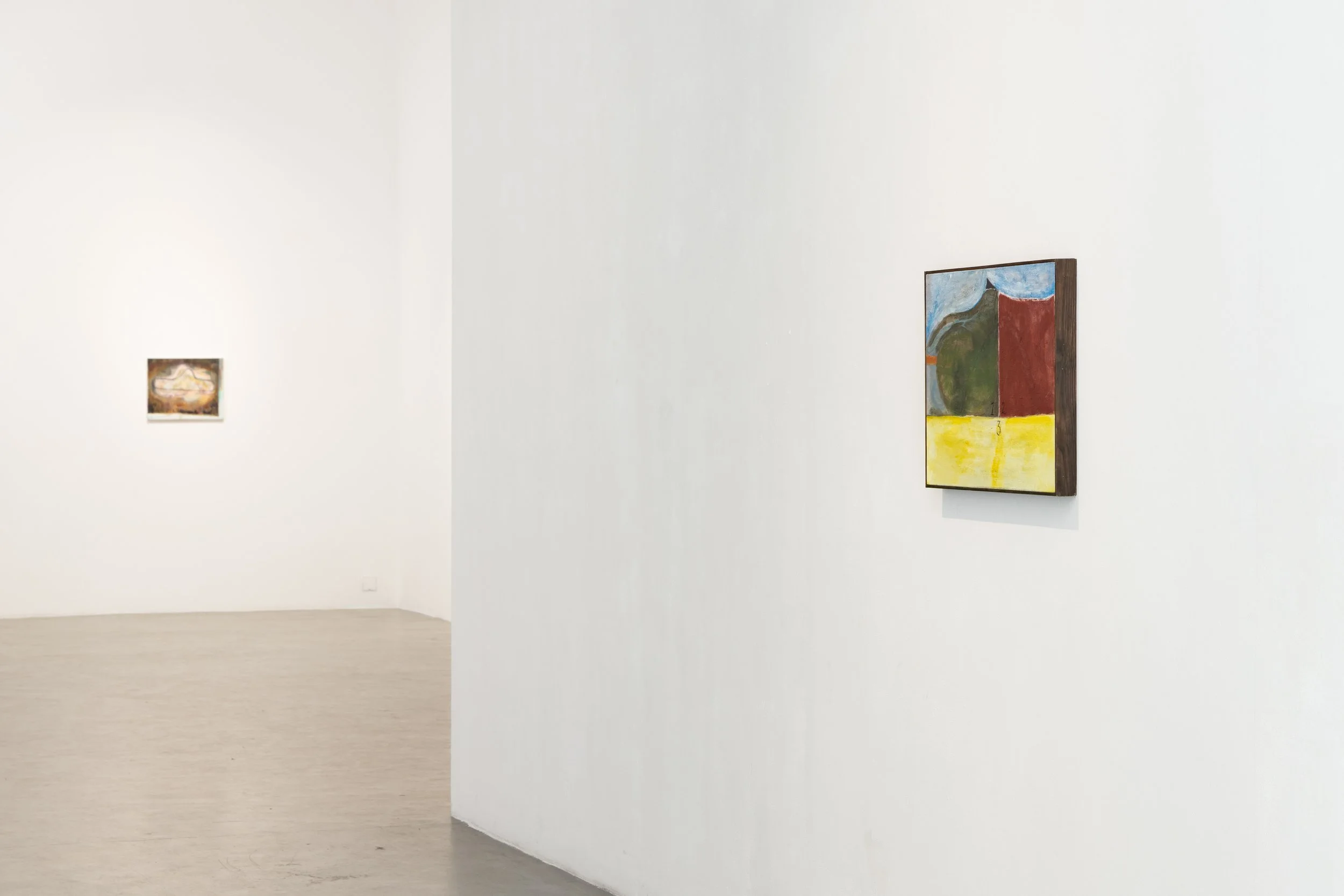
There are hints at this ambivalence through many of the painting's titles, including Not Richard III’s Nose as a Landscape. This ambiguous title leaves us wondering if it is someone else’s nose being depicted as a landscape or rather that the whole picture is a category error. The painting itself offers little help of course. A nebulous green form in the centre approximates cut out leaves or tree heads, while the sky-blue top left corner and receding space in the left edge also allow for a whiff of natural and cultivated environs. However, the right side of white, grey and black circles floating in a loose pattern have enough repetition, when interlocking with the curves of the green form, to create a decorative field that serves to undermine any bucolic atmosphere built up elsewhere. It is both a landscape and not. A landscape in disguise and not. A king’s nose and not. These are figurative components under pressure via their own gentle vacillation - a continual series of ‘about turns’ as the exhibition title suggests.
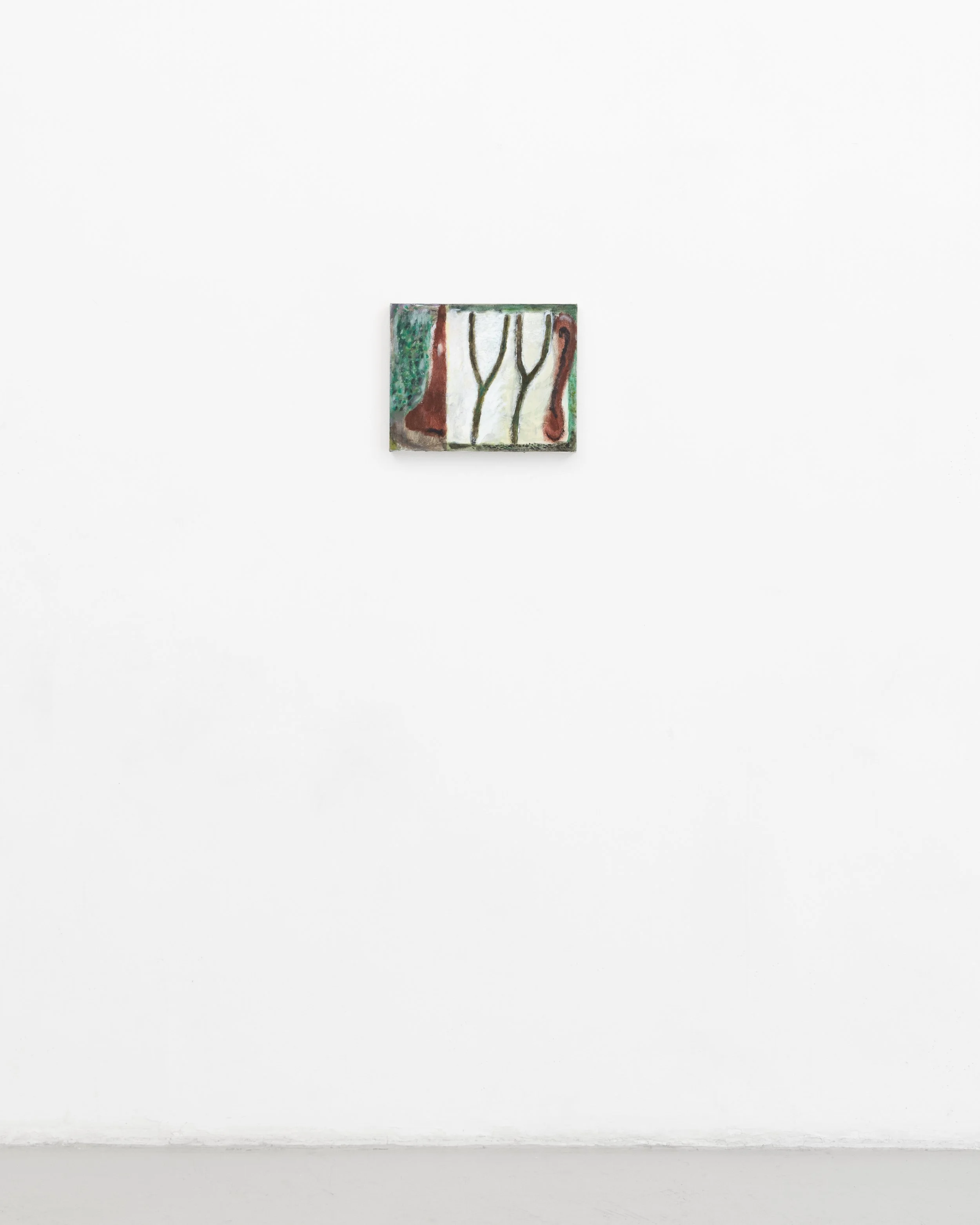
This complicated relation of image to language is exemplified by Prophetic Perfect Tense. We see a burgundy nose in profile followed by two forms that hover between a wishbone, a stethoscope and, perhaps most explicitly, the letter ‘y’. The form after these, because it shares the same colour as the nose, registers as another body part - an ear. However, the ‘y’ letter forms invite us to scan the image as something ‘legible’ from left to right, and so this ‘ear’ easily slides into a stretched out question mark. Body part becomes language part and back again. But why? Or rather, ‘y?’. Noses are, of course, idiomatically, often used to refer to one’s instincts and unconscious: we are told to ‘follow one’s nose’, or someone might ‘have a nose’ for something. It is obvious these are paintings that do not come furnished with detailed preparatory drawings faithfully translated. These are, by and large, paintings that contain propositions that emerge from their making, propositions which are duly rejected, or partially rejected, in favour of others, until something approaching resolution takes place. And the spirit of their making is a mode for their viewing: painter and exhibition goer follow their noses alike.
Another productive awkwardness is McCracken’s compositional sensibility. In works like As It Were So To Speak, A Circle Disguising Itself as a Bird, The Here is Slow, and Lower It Goes amongst others, this ‘just-offness’, to use a term associated with Richard Tuttle (though it could equally be applied to Thomas Nozkowski with greater relevance to the current painter in question), is manifested through the paintings’ edges. These are emphasised with strips or bands of colour that function to resolve a spatial imbalance through, paradoxically, emphasising this very need. It’s like hitting on the solution to a problem that compounds the same problem only to realise the problem never existed in the first place. These bands are both profoundly utilitarian, as if a by-product of work elsewhere in the painting, but simultaneously achingly decorative. They seem to declare: ‘I exist merely to serve a greater good’, but their worthiness is piped through a megaphone.
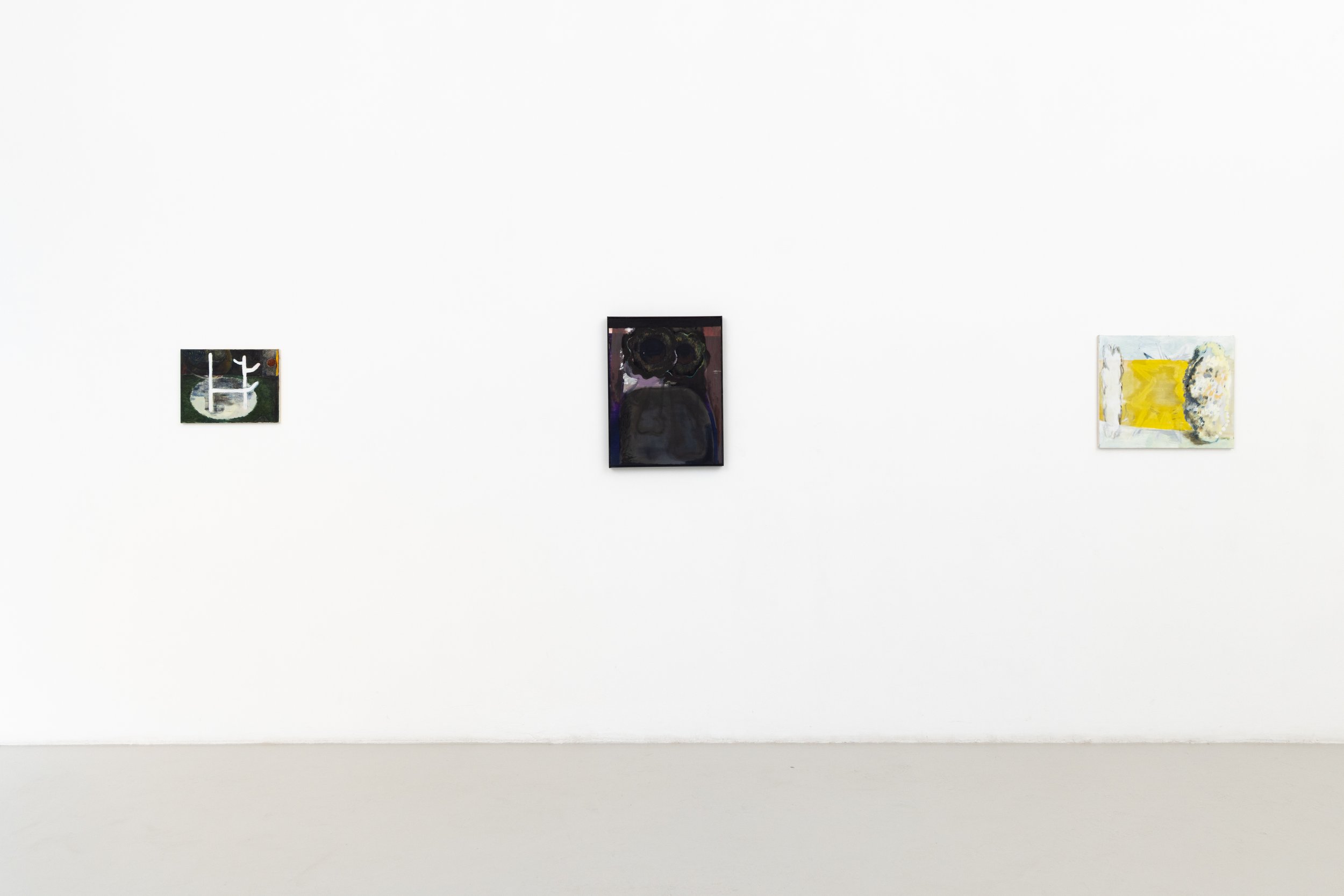
McCracken’s compositional idiosyncrasies are brought to their zenith with Or Some Such. Two points of irresolvable tension: the prominent form on the left side of the painting suggests that it might be, or is about to be, resting its rather stubby ‘leg’ onto a ground, on which a ‘shadow’ is being cast. There is almost a relation of object and its shadow, but we are left very uncertain about this due to the seeming incongruence in the shadow’s form. It rather feels like a shadow of an entirely different object. The second is the wonderfully gaping area to the right of this object, an area which feels like an infinite expanse in desperate need of some other intervention. Instead, we are offered a dark circular form, the top of which is seemingly squished by the top edge of the picture plane. Returning to the form casting its false shadow, we see that it is, in and of itself, comically and staggeringly awkward. It feels both utterly specific and yet resolutely archetypal; it has enough modelling to suggest some degree of three-dimensionality,yet also presents itself as flat. It is emblematic of the pictorial and psychic tension writ large in many of McCracken’s paintings - forms and their positions within any overall composition do not settle into classically determined relations with few exceptions.
However, these paintings and their respective awkwardnesses are, of course, happily irresolvable through the tenderness with which they emerge. And let me be clear, there is a tremendous amount of tenderness in these paintings. Not least because awkwardness is a condition of the daily embarrassment of living with a human body (Amy Sillman writes well on this1). And so, registering awkwardness in a painting allows us to feel that daily embarrassment once removed - like a kind of all-too-human anti-sublime. In addition, other kinds of tenderness run through McCracken’s paintings, which permit the hitherto mentioned awkwardnesses to flourish: the gentle humming of colour through subtle tonal layering; the frequent use of an intimate or less-than-human scale of painting; the comic undertones to so many of the formal games at play. These qualities are not the purview of this short text but are absolutely the foil for the productive tensions described above.
McCracken’s vigilance to his own contingencies, the way paintings are left, returned to over time, adjusted to disallow easy wins is akin to the way a psychodynamic therapist will allow the discomfort of silence in the room - there is a sense of holding and holding onto something speculative, so that all of an object’s contradictions, all of its absurdities, even its violences, may be acknowledged, if only for a moment, before another ‘about turn’ is proposed.
Luke Burton, 2026
*I am permitting myself the slightly horrendous use of the word awkwardnesses as it feels as though the word’s structure embodies its own idea. 1 Amy Sillman, Shit Happens: Notes on Awkwardness (2015)